
Leading Pollution Control Solutions Since 1981 Sustainable and trusted solutions supporting environmental compliance for over 40 years.

Deepam Incinerators

Overview

What is an incinerator?

It is essentially a large, specially-built furnace in which waste products are destroyed by burning at very high temperatures, reducing the waste to ash and gases. They have an advantage over open burning as they ensure complete and total combustion, while also controlling emissions and, where necessary, protecting biosecurity, such as with medical waste. At Waste Spectrum, all our models are designed and built to ensure a safe, reliable and cost-effective solution for businesses looking to manage their own waste on site.
Incinerators provide other benefits too, such as reducing the volume of waste by up to 95%, lowering storage and collection costs. On-site incineration also helps reduce the risk of disease spreading and contamination associated with fallen livestock and other types of hazardous material. In short, incinerators are essential for safe, efficient and biosecure waste management across multiple sectors and waste types.
1
Happy Clients

Facts about Incinerator

How Does an Incinerator Work?
At its simplest, an incinerator works by burning waste at controlled, extremely high temperatures until only a small quantity of sterile ash remains. Waste Spectrum incinerators are carefully engineered to make this process safe, efficient and biosecure.
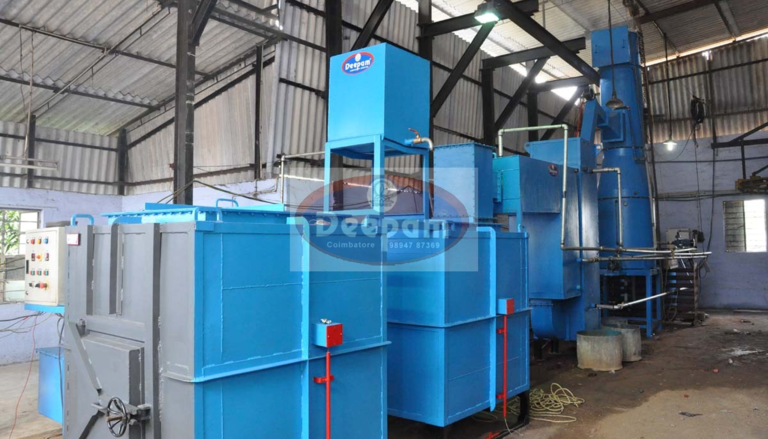
Every Waste Spectrum incinerator is built with the same focus on durability, efficiency and ease of use. Central to each unit is the primary chamber, lined with our unique monolithic casting system, which withstands repeated heating and cooling. Above this sits the secondary chamber to ensure complete combustion of gases and compliance with UK and EU regulations.
Machines are fitted with temperature-controlled, pulse-fired burners for rapid ignition and fuel efficiency, along with intuitive control systems that manage burner cycles and temperatures automatically. Depending on the model, access can come via top-loading or front-loading doors, all engineered for safe operation, whether manual or mechanised. Other components can include a stainless steel flue stack, ash doors and the safety features that make use straightforward and safe.
The process begins when waste is loaded into the primary chamber, where burners raise the temperature to at least 850°C, and higher for medical or hazardous materials. At this point, the waste is reduced to a small volume of sterile ash, typically 3–5% of the original mass, while gases are directed into the secondary chamber. Here, they are retained at a high temperature long enough to destroy any remaining particulates and toxins. The result is a clean, biosecure process that leaves only a small volume of sterile ash for safe removal.

Types of Incinerators

When answering the question, ‘What is an incinerator?’, it’s important to note that there are many types available , including those known as rotary kilns, liquid waste and fluidised bed systems. At Waste Spectrum, our expertise is in fixed-chamber, batch-loaded incinerators. Our British-built units are designed for on-site waste management in agriculture, animal care, medical and general waste. Our units are built to suit different sites and waste types, rather than a ‘one size fits all’ approach. You can browse our incinerators and filter them across five categories:

Waste Type

Models to suit livestock, medical, vegetation and general waste.

Load Capacity

Incinerators that support loads from 50kg all the way to 4,000kg.

Burn Rate

Different speeds and intensities that incinerate from 40kg to 1,000kg an hour.

Fuel Type

From diesel and LPG to kerosene, biogas and propane.

Portability

We offer both static and fully mobile incinerator units.
Our incinerators always start as a robust unit that can then be customized to the unique needs of each customer, from the type of waste being treated, to the fuel used and the controls required. This tailored approach ensures each system is fit for purpose, efficient and compliant.
image 10 (2)

Incinerator Use Cases

From farming to healthcare, incinerators are designed to provide biosecure, efficient and cost-effective waste disposal that keeps your operations safe and compliant.

Safety Measures

1

Farm waste

Farms generate a lot of waste every day, from bedding and feed to fallen stock. On-site incineration can cut waste volume by up to 90%, saving storage space and avoiding costly collections. It also removes the risk of vermin and disease spread. Waste Spectrum’s high-capacity agricultural incinerators are DEFRA type-approved and designed for reliability, giving farmers a safe, compliant and cost-effective way to manage waste.
Reduced Harmful Emissions
2

Animal waste

Carcass and by-product disposal is tightly regulated. Incineration puts operators in full control, avoiding delays and biosecurity risks linked to collection. Waste Spectrum’s animal waste incinerators are purpose-built for species-specific needs, from poultry and sheep to pigs, cattle and other animals. With models that can be reloaded while in use, our systems offer a safe and efficient way to manage your animal waste on your own site.

Reduced Harmful Emissions
3

Pet cremation

For veterinary practices, vet colleges and pet crematoria, incineration provides a professional and respectful way to manage pet remains. Waste Spectrum’s pet cremation incinerators handle both individual and group cremations, combining ease of use with reliable operation. With units suited to small clinics through to larger facilities, our units support businesses in offering dignified, compliant services at sensitive times.

Reduced Harmful Emissions
4

Medical and hazardous waste

Medical waste such as sharps, bandages and contaminated materials must be destroyed securely and safely – incineration is the safest way to neutralise toxins, pathogens and other hazardous substances. Waste Spectrum’s medical waste incinerators reach the high temperatures required, with secondary chambers ensuring emissions remain clean. Ideal for hospitals, labs and clinics, they provide a dependable, biosecure solution for hazardous waste.

Reduced Harmful Emissions
5

General waste

General waste includes refuse from households, commercial areas and industrial sites such as food processing centres. They also suit remote communities where collections are limited or expensive, as incineration reduces waste volume dramatically, cutting collection costs. Waste Spectrum’s general waste incinerator systems are built to manage a wide range of waste types, delivering safe, reliable on-site waste disposal.

Reduced Harmful Emissions
6

Incinerator Compliance

Incinerators must meet strict regulations to ensure safe and environmentally responsible operation, wherever they may be in use. All Waste Spectrum models are DEFRA type-approved and comply with EU Animal By-Products Regulation (EC No 142/2011), as well as Environment Agency guidelines. Units are built with a secondary chamber to guarantee complete combustion of gases and clean emissions, which is legally required in many territories. With nearly 30 years of experience working alongside regulators, and machines installed in over 75 countries around the world, Waste Spectrum incinerators are expertly engineered to help you stay compliant while managing waste efficiently.
Reduced Harmful Emissions