Why the Cooking Industry Needs to Switch to Turbo Stoves ?
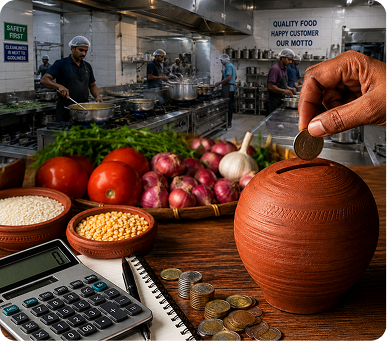
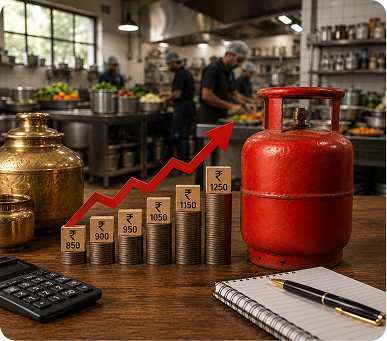
Helps reduce overall operational and daily running costs
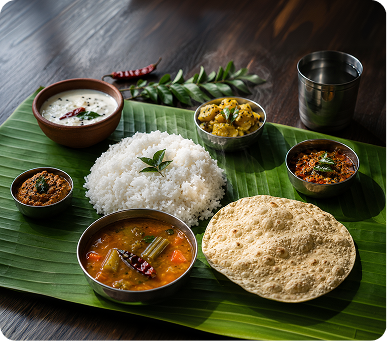
Ensures delicious, hygienic, fresh, and tasty food always
Day by day, gas prices increase for various reasons
Do you want to switch to a Turbo Stove?
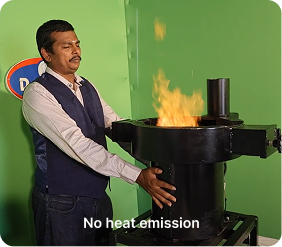
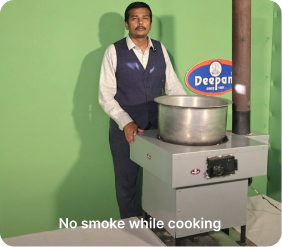
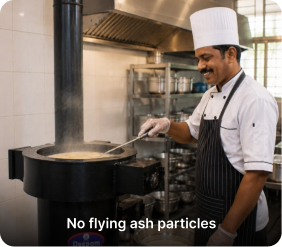
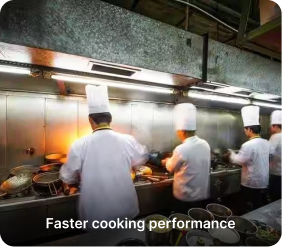
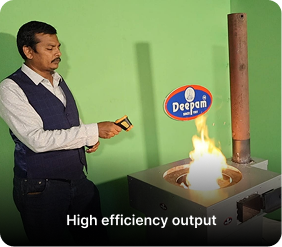
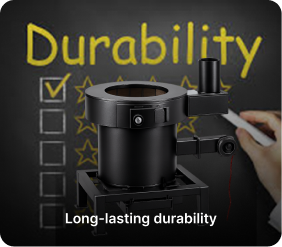
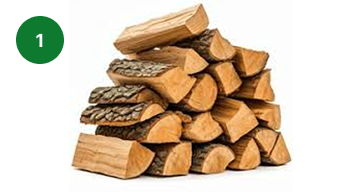
Then look at these advantages while cooking
3 Types of Models Available
Choose the perfect model for your cooking capacity requirements
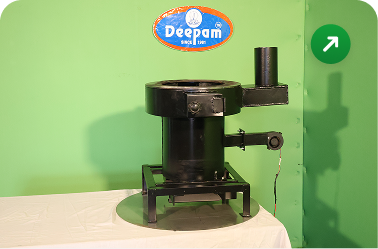
Supreme Modal
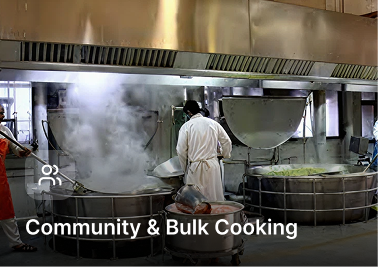
Ideal for large kitchens, catering units, and bulk cooking operations
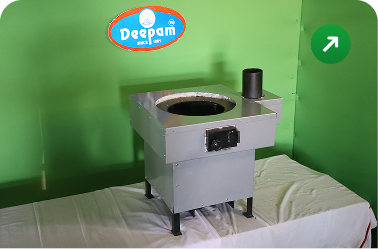
Prime Model
Ideal for small kitchens and street food carts
Deluxe Model
Ideal for restaurants and medium commercial kitchens
Customized Solutions by Deepam
Engineered for excellence in commercial cooking operations
High Capacity Cooking
Supports 5 kg to 100 kg load
R&D Technology
Improves combustion efficiency
Adjustable Flame Control
Precise heat management Upto 4 hours
Smokeless Operation
Cleaner kitchen environment-zero smoke free
Blower System
Faster heating & stable temperature
12V-240V DC/AC blower system
Multi-Fuel Support
Works with wood, biomass, briquettes & charcoal
Multi-Fuel Support
High heat retention (Alumina-Silica Grade K)
Durable Build
Powder-coated finish for long life
How It Works
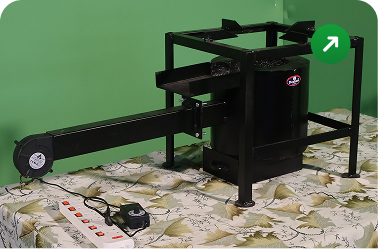
The Deepam Industries Turbo Stove operates using forced draft combustion technology to deliver high heat output with reduced smoke and improved fuel efficiency.
Step-by-Step Working Process
Fuel Loading
Biomass fuels are fed into the combustion chamber through the wood tray. Only Small Camphor or Small Wood Needed to Start the Fire
Blower Activation
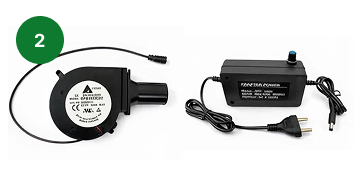
A 12V DC high-speed blower supplies controlled air into the combustion chamber. This increases oxygen levels, allowing the fuel to burn more efficiently.
Efficient Combustion
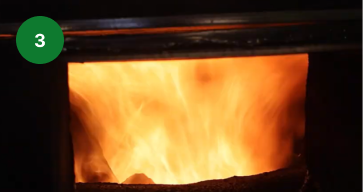
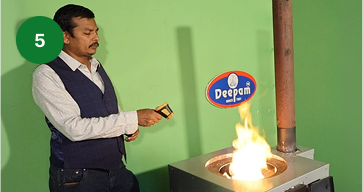
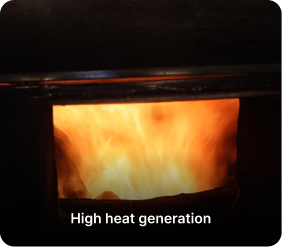
The enhanced airflow results in higher temperature, faster ignition, and reduced smoke emission. This makes the stove more efficient than traditional cooking methods.
Flame Control
The adjustable flame control system allows users to regulate heat levels based on cooking requirements.
Heat Distribution
12–70 circulation nozzles ensure uniform heat distribution for bulk cooking, with up to 3 hours of heat retention without refueling.
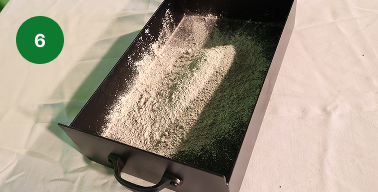
Ash Collection
Residue from combustion is collected in the ash tray, which can be easily removed and cleaned.
Power and Operation
Flame Control – Performance
High-speed blower (up to 15,000 RPM) enables accurate flame control, supports continuous cooking, reduces fuel wastage, and ensures stable thermal performance.
12V DC Blower System
Advanced 12V DC blower system offers optimized airflow, low power usage, consistent heat generation, reliable combustion, and seamless continuous kitchen operation.
Power Configuration
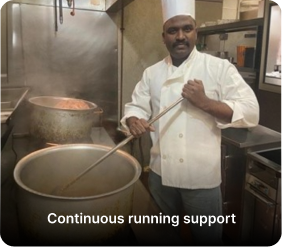
Energy-efficient 12V DC configuration supports hybrid power inputs, providing stable airflow, reduced energy cost, and reliable continuous cooking operations.
Ceramic Insulation
High-thickness ceramic insulation inside the stove retains heat well, maintaining consistent temperature and improving cooking efficiency for longer.
Core Specifications
Technical excellence in every detail
Cost
60% Reduces than LPG
Flame Control
Adjustable Automatic On/Off
Blower
12V DC (5500–15000 RPM)
Nozzle
12-70 Nozzles
Finish
Powder Coated
Fuel Type
Biomass, Wood Chips, BBQ, Charcoal
Heat Retentions
3-4 Hours Maximum
Insulation
Ceramic Clay (Alumina-Silica Grade K)
Burning Method
Flammable Camphor, small wood chips with low fire
Heat Flow Recovery System
Recover Heat for Maximum Energy Efficiency
Heat Perceptor
Fast heating with even heat
Coil Exact System
Precise Heating for Consistent Performance
Safety & Maintenance
Follow these guidelines for optimal performance and longevity
Use on a flat, heat-resistant surface
Ensure proper ventilation
Clean ash tray regularly
Check blower wiring periodically
Avoid water contact with electrical parts
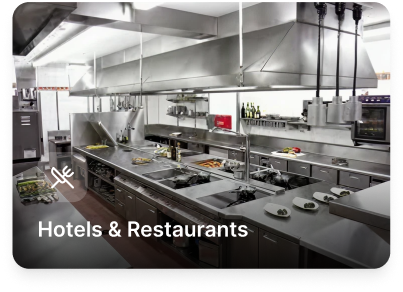
Applications
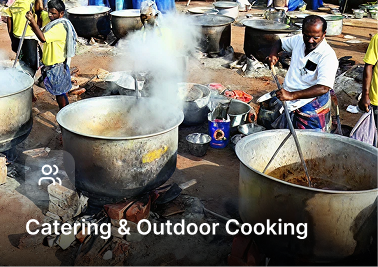
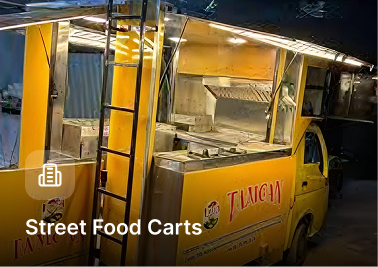
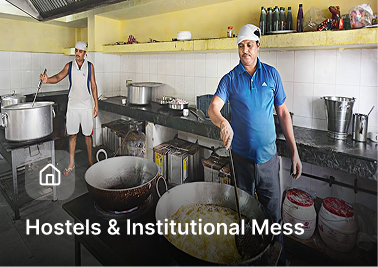
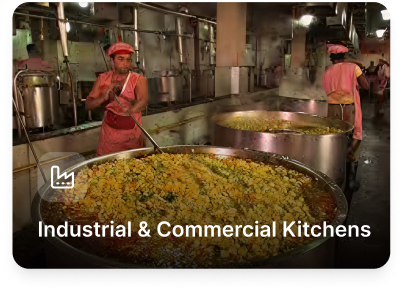
Trusted by commercial kitchens across diverse industries
Frequently Asked Questions
Everything you need to know about incinerators
Can it run on battery power?
Yes, the blower unit is designed to run on a 12V or 24V battery, making it ideal for
mobile catering or areas with frequent power outages.
What type of wood can I use?
Any solid biomass fuel including firewood, coconut shells, and wood briquettes. For
best performance, dry fuel is recommended.
How much fuel does it save?
On average, customers report a 50-60% reduction in fuel costs compared to
traditional biomass stoves or commercial LPG systems.
How long does the heat retention system work?
The heat retention system can maintain stored heat for up to 1–2 additional hours, depending on stove efficiency and usage.
Does the stove produce smoke while cooking?
No, the stove is designed for clean combustion with minimal smoke and efficient heat output.
What is needed to start the fire?
Only a small amount of camphor or small wood pieces are enough to start the flame.
How does the airflow system improve performance?
The specially designed nozzles maintain proper air circulation for efficient combustion and consistent heating.
Ready to Discuss Your
Industrial Requirement?
45+ years of experience in pollution control equipment. Let our experts help you choose the perfect solution for your waste management needs.